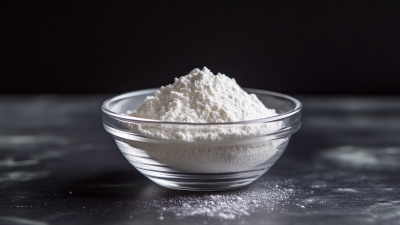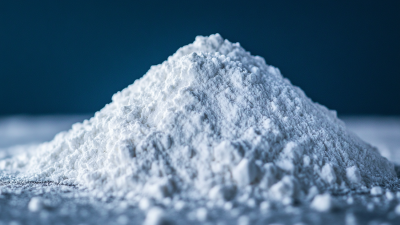
In recent years, the demand for effective and natural skincare solutions has surged, with the global skincare market expected to reach $189.3 billion by 2025, bolstered by the growing interest in organic and plant-based ingredients. Among these, Beta Arbutin Powder has emerged as a star ingredient, renowned for its skin-brightening and anti-aging properties. Sourced from premium factories in China, Beta Arbutin Powder not only meets the rigorous standards of the cosmetics industry but also garners global trust for its efficacy and safety. Xi'an Aoge Biotech Co., Ltd., a leading force in the cosmetics raw materials sector, specializes in providing both natural plant extracts and synthetic ingredients tailored for high-end skincare formulations. By offering exceptional products like Beta Arbutin Powder, Xi'an Aoge Biotech Co., Ltd. plays a pivotal role in advancing innovative cosmetic solutions across various industries, catering to the evolving needs of conscious consumers seeking quality and effectiveness in their skincare regimens.
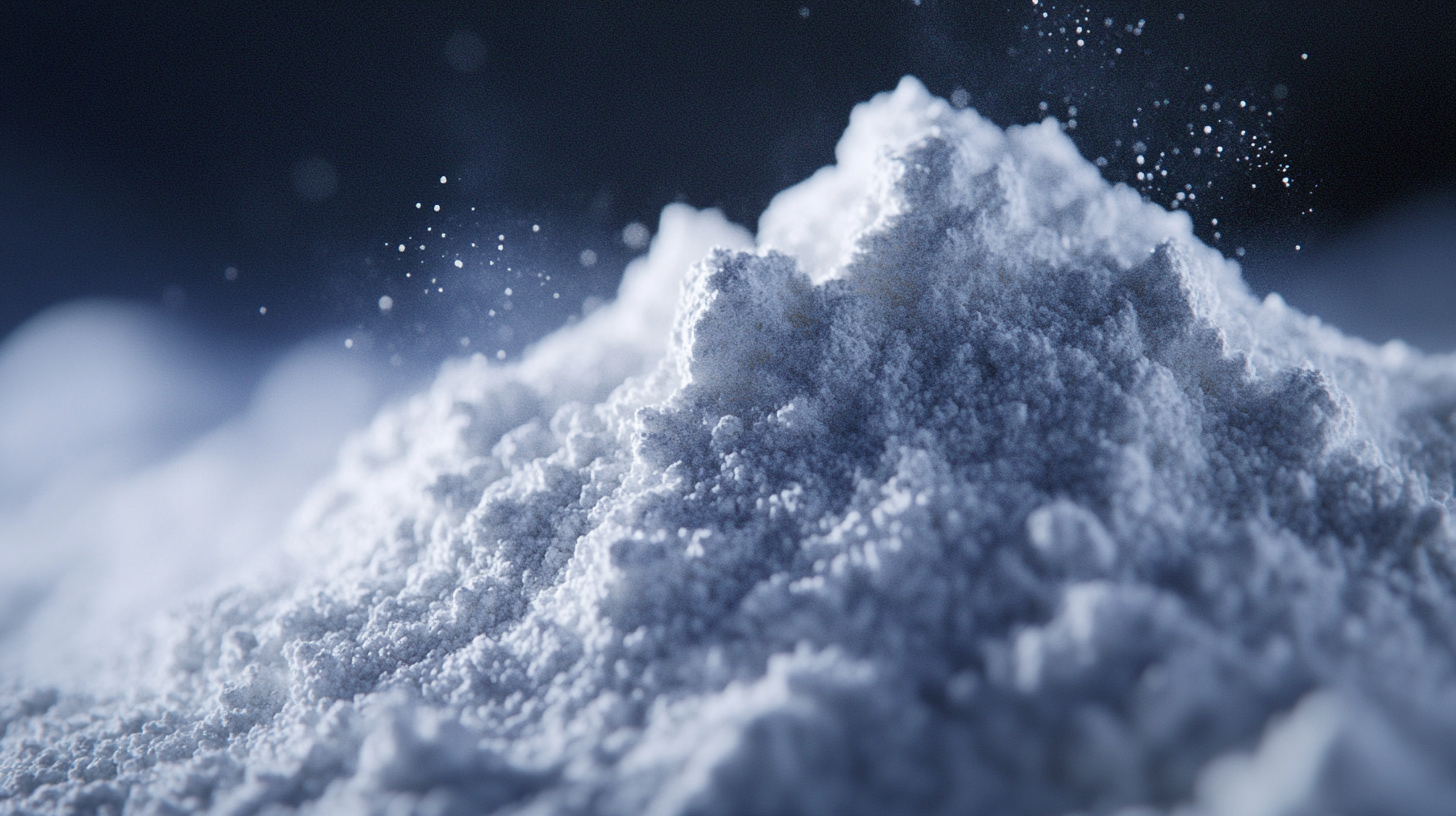
Beta Arbutin has gained significant recognition in the skincare and cosmetic industries due to its powerful skin-brightening properties. This naturally occurring compound, derived from the bearberry plant, functions primarily as a skin-lightening agent by inhibiting the enzyme tyrosinase, which is crucial in melanin production. As a result, Beta Arbutin is often incorporated into products aimed at reducing hyperpigmentation, dark spots, and uneven skin tone, making it a popular choice for formulators looking to enhance the efficacy of their offerings.
In addition to its skin-brightening abilities, Beta Arbutin is appreciated for its gentle nature, making it suitable for various skin types, including sensitive skin. Unlike other harsh bleaching agents, it provides a milder alternative to those seeking a more natural approach to skincare. Many cosmetic brands incorporate Beta Arbutin in serums, creams, and even makeup products, leveraging its dual functionality not only to enhance aesthetic appeal but also to promote skin health. This versatility underscores the growing trend of combining effective, botanically derived ingredients within cosmetic formulations.
Beta Arbutin is emerging as a powerful ingredient in various industries, particularly in cosmetics and pharmaceuticals, thanks to its unique chemical properties. As a naturally occurring compound found in several plants, Beta Arbutin is renowned for its skin-brightening effects and its ability to inhibit melanin production. Recent reports indicate that the global market for skin-lightening products is projected to reach $8.9 billion by 2025, signifying a growing demand for effective and safer alternatives—making Beta Arbutin a star ingredient in this segment.
In addition to its cosmetic applications, Beta Arbutin is gaining traction in the healthcare sector, where it is utilized for its antioxidant properties. Studies have shown that it can help reduce oxidative stress, which is linked to numerous chronic diseases. The antioxidant market is expected to expand from $3.7 billion in 2020 to over $5.3 billion by 2025, highlighting the increasing recognition of Beta Arbutin's benefits.
As industries continue to seek sustainable and efficacious ingredients, the versatility and efficacy of Beta Arbutin position it as a frontrunner in both cosmetics and health products.
The import and export of beta arbutin products are subject to stringent regulatory frameworks across various regions, ensuring safety and efficacy in their applications. According to a report by Mordor Intelligence, the global market for beta arbutin is anticipated to grow at a compound annual growth rate (CAGR) of 9.1% through 2026, highlighting the increasing demand in industries ranging from cosmetics to food and pharmaceuticals.
Regulatory compliance is pivotal in this landscape, as governments have established guidelines to assess the quality and authenticity of beta arbutin sourced from different suppliers.
Countries such as the United States and members of the European Union enforce rigorous regulations on cosmetic ingredients, requiring full disclosure of product formulations. The Cosmetic Ingredient Review (CIR) assesses the safety of ingredients like beta arbutin, ensuring they meet health standards before entering the market.
Meanwhile, the Food and Drug Administration (FDA) has implemented strict guidelines for food additives, necessitating comprehensive documentation for beta arbutin's use in food applications. As industries continue to expand their utilization of beta arbutin, staying abreast of these regulations becomes essential for companies involved in its import and export, guaranteeing not only compliance but also the trust of consumers worldwide.
Beta Arbutin, a naturally occurring compound derived from bearberry plants, has gained significant attention in the pharmaceutical industry due to its potent skin-lightening properties and safety profile. Traditionally used in cosmetic formulations, beta arbutin is now being explored for its therapeutic applications in dermatology, particularly in the treatment of hyperpigmentation disorders and skin conditions like melasma. The compound works by inhibiting the enzyme tyrosinase, which plays a crucial role in melanin production, providing a gentle yet effective solution for patients seeking to improve their skin tone without aggressive treatments.
Moreover, the pharmaceutical industry is increasingly leveraging beta arbutin’s antioxidant properties, which help protect the skin from oxidative stress and environmental damage. This positions beta arbutin as a valuable ingredient in developing topical formulations that not only enhance skin appearance but also promote overall skin health. Researchers are investigating its integration into advanced drug delivery systems to improve penetration and efficacy, suggesting a promising future for this compound beyond traditional cosmetic use. As the industry continues to innovate, beta arbutin stands out as a key player in bridging the gap between beauty and healthcare, offering patients safer alternatives for skin care solutions.
| Application Area | Benefits | Dosage | Formulation Type |
|---|---|---|---|
| Cosmetics | Skin lightening, anti-aging | 1-2% | Creams, serums |
| Pharmaceuticals | Antioxidant properties, skin conditions treatment | 50-100 mg | Tablets, topical applications |
| Food Industry | Nutritional benefits, flavor enhancement | 20-200 mg | Food supplements, beverages |
| Health & Wellness | Supports skin health, reduces inflammation | 100-300 mg | Dietary supplements, capsules |
Beta arbutin has gained attention in the food and beverage industry for its natural properties and potential health benefits. As a glycosylated hydroquinone, it’s primarily used for its skin-lightening effects, making it popular in cosmetic applications. However, its safety and quality standards when included in food products are crucial to consider. Regulatory agencies ensure that beta arbutin complies with food safety norms, which helps protect consumers while allowing manufacturers to innovate with new flavors and health-enhancing products.
When incorporating beta arbutin into food and beverage formulations, it’s essential to adhere to stringent quality standards. Make sure to source beta arbutin from reputable suppliers who conduct rigorous testing for purity and potency. Additionally, keep abreast of local regulations regarding the permissible usage levels of beta arbutin in food products to ensure compliance.
Tip: Always conduct a thorough risk assessment before introducing beta arbutin into your food products. This will help you identify any potential interactions with other ingredients and ensure consumer safety. Another tip is to provide transparent labeling that informs consumers about the presence of beta arbutin, helping them make informed choices.
Beta-glucan has emerged as a key player in the skincare industry, particularly for its remarkable ability to unlock youthful skin through anti-aging and hydration effects. Derived from natural sources, beta-glucan is known for its powerful moisturizing properties, making it an ideal addition to various skincare formulations. Its water-soluble nature ensures that it can easily penetrate the skin barrier, delivering deep hydration and promoting a plump, youthful appearance.
The unique composition of beta-glucan, combined with other hydrating agents such as glycerin, creates a synergistic effect that enhances skin hydration while minimizing the visible signs of aging. When incorporated in skincare products, beta-glucan not only helps to retain moisture but also supports the skin's natural healing process, making it an excellent choice for those seeking to mitigate fine lines and improve overall skin texture. With a pH value of 6-8, products containing beta-glucan are typically gentle on the skin, making them suitable for a wide range of skin types.
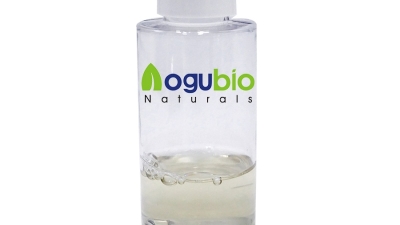
As a testament to its efficacy, industry reports indicate a growing demand for products containing beta-glucan. The colorless, slightly yellow liquid solution with a characteristic odor uniquely balances efficacy with user experience. In an age where consumers are increasingly seeking out scientifically-backed ingredients for their skincare routines, beta-glucan stands out as a potent agent in the quest for hydrated, youthful skin.
rbutin?
It functions primarily as a skin-lightening agent by inhibiting the enzyme tyrosinase, which plays a crucial role in melanin production.
Beta Arbutin is effective in reducing hyperpigmentation, dark spots, and uneven skin tone.
Yes, Beta Arbutin is gentle and suitable for various skin types, including sensitive skin.
It is commonly incorporated into serums, creams, and makeup products to enhance aesthetic appeal and promote skin health.
Unlike harsher chemicals, Beta Arbutin offers a milder approach to skincare, making it a more natural option for those seeking skin lightening.
The global market for skin-lightening products is expected to reach $8.9 billion by 2025.
Beta Arbutin is also gaining attention in the healthcare sector for its antioxidant properties.
The antioxidant market is projected to grow from $3.7 billion in 2020 to over $5.3 billion by 2025.
Its efficacy in enhancing skin health and its sustainable, botanical origin contribute to its growing popularity in both cosmetic and health product formulations.